Signs Your Renton Roof Has Storm Damage
Signs Your Renton Roof Has Storm Damage
Wind and rain move fast across Lake Washington and up the Cedar River valley. When a storm hits Renton, small defects on a roof turn into leaks fast. Signs Your Renton Roof Has Storm Damage is a topic that matters when water shows up on a ceiling or when shingles lift along the ridge line after a wind gust off I-405. This article explains how storm damage shows up on roofs in , how that damage behaves in the Pacific Northwest climate, and how a licensed roofing contractor inspects, documents, and repairs it so the building stays dry.
Storms in King County load roofs with wind pressure, driven rain, and debris. On residential roofs that are shingle, tile, metal, or cedar, damage often starts at the ridge cap, the edges, and at penetrations such as vents and skylights. On commercial flat or low-slope roofs along Rainier Ave S, East Valley Hwy, and in the industrial areas near SR 167, damage often starts where water lingers or at seams. In both cases, the first visible symptoms may not match the actual entry point. Water can travel under a roofing layer, along a rafter, and appear many feet away. A focused inspection is the only way to confirm the cause.
Why small roof issues become big after a storm in Renton
Western Washington gets long wet seasons and intense wind events. On a typical asphalt composite shingle roof, the surface granules shield the fiberglass mat from ultraviolet light. When wind throws branches across the surface, those granules can scrape off. Granule loss means the mat is exposed, which shortens the life of that area. Moss grows quickly on shaded slopes in neighborhoods like Highlands and Kennydale, and moss holds moisture against shingles. A heavy rain after a wind event drives that moisture under lifted tabs. The result is a roof leak.
Commercial flat roofs behave differently. A TPO membrane is a single sheet of thermoplastic that relies on a heat-welded seam. That seam is a fused joint. When branches scrape across a seam or when ponding water adds stress at a low spot, the joint can weaken. EPDM, a rubber membrane, relies on adhesive seams that can separate when water sits or when a gust lifts the edge flashing. Modified bitumen torch-down systems have a cap sheet with asphalt in it. That cap can crack with ultraviolet exposure over time and open up after a wind-driven rain. All of these systems do better with clean drains and clear scuppers, but storms load roofs with needles and leaves from street trees across Renton, Seattle, and Bellevue. Maintenance intervals in King County must respect that pattern.
What property owners in actually see after a storm
There are patterns on King County roofs that repeat storm after storm. In Renton’s Talbot and Downtown neighborhoods, older 3-tab shingles can lift at the keyways, the slots between tabs, which look like small rectangles across the course. Architectural shingles, which are thicker, resist wind better, but they still suffer when a ridge experienced roofing contractor Renton cap loosens. Tile roofs in Kennydale or on the West Hill can see cracked tiles from flying debris. Cedar shake roofs that were already dry can split when wind pries up at the butts. Metal roofs, usually standing seam or corrugated steel, shed water well, but loose screws at exposed-fastener panels or misaligned ridge closures let water be driven in by gusts.
On flat roofs around The Landing shopping area or near the Boeing Renton Factory, the most common storm indicator is ponding. Ponding water means water is still sitting on the surface hours or days after the rain. Ponding appears where the deck has settled or where drains are blocked. That water stresses seams, saturates insulation, and enters any scuff in the membrane. A fresh circular watermark on the ceiling tiles inside is often the first clue to a rooftop issue.
Clear signs your roof took a hit
Spotting damage early prevents interior deterioration. Signs Your Renton Roof Has Storm Damage include what a person can see from the ground or notice inside. The following list covers the most useful visible clues. These are the triggers to call a roofing company rather than wait for a dry day that may not come soon.
- Missing or lifted shingles, especially along edges, eaves, and the ridge cap after a wind event
- Fresh shingle granules in gutters or at downspout discharge that were not there before the storm
- Water stains on a ceiling or wall that grow darker or expand during or after rain
- Drips from a light fixture or bath fan, often tied to a failed boot, skylight flashing, or vent cap
- Ponding water on a flat roof, blocked drains or scuppers, or visible seam blisters on TPO or EPDM
Other indicators appear at specific components. Chimney flashing that has lifted from brick lets water run behind the base flashing. A skylight with a cracked acrylic dome or failed perimeter seal lets driven rain in under the curb or at the frame. On a metal roof, a ridge closure that lost its butyl tape seal is a narrow path for water to push uphill. On cedar shake, moss that looks fluffed up after a storm usually hides damaged shakes with lifted grain.
Why stains on a ceiling almost never match the leak location
Water follows the easiest path. A roof deck is plywood or oriented strand board sitting on rafters or trusses. When roof water gets under the surface, it tends to run along framing and drip off at a nail or light opening. That is why a stain in a Renton Highlands bedroom can trace back to a ridge vent that sits ten feet away. On flat roofs in South Renton, interior stains over wide areas can trace back to one low seam near a drain. It takes an attic inspection, a careful exterior visual check, and sometimes a controlled water test to confirm the source.
Attic inspection means looking for wet sheathing, rusted nail tips, insulation that has clumped from saturation, and airflow patterns that show where moisture has moved. Exterior inspection means checking the field shingles, the ridge cap, step flashing at sidewalls, counter flashing at chimneys, and any exposed fastener heads for metal systems. On flat roofs, inspection means checking all penetrations, HVAC curbs, parapet walls, edge metal, seams, and drains. Only then can a contractor write a repair that addresses the cause, not just the symptom.
Pacific Northwest climate factors that shape storm damage
High annual rainfall pushes water volume through every small gap. Freeze-thaw cycles at higher elevations toward Cougar Mountain and Issaquah expand small splits into larger openings. Moss growth on porous surfaces like asphalt shingles and cedar shake locks in moisture, then pries materials apart as it grows. These are local conditions, not generic issues. In Western Washington, an asphalt composite shingle roof often reaches the lower end of the 15 to 25 year life range when it has heavy shade and zero maintenance. That service life shortens further when wind damage goes unaddressed. On commercial membranes, heat-welded seams on TPO often hold up better through freeze-thaw than adhesive seams on EPDM in areas with frequent overnight temperatures below freezing, which matters for properties closer to the foothills.
Drainage is the other deciding factor. A commercial flat or low-slope roof in King County must move large volumes of water fast. Tapered insulation, which is sloped insulation that creates drainage where the deck is flat, reduces ponding risk. On roofs with internal drains, strainers must be clear. On roofs with scuppers, the outlets must be sized and clear. During windstorms, debris loads increase on flat roofs near tall evergreens in communities like Sammamish and Kirkland. That is why maintenance and storm checks cannot be skipped after high-wind advisories.
How a licensed roofing contractor reads storm damage
A qualified roofing contractor in Renton brings local pattern recognition. Wind damage on a shingle roof reads differently than a hail event east of the Cascades. In King County, wind-lifted shingles and ridge cap failure are common. Lifted shingles often show creased mats. A crease is a line across a shingle tab where the mat bent. That crease weakens the tab. The shingle can still be in place, but the wind rating has been compromised. The repair plan may call for replacing individual shingles, replacing the ridge cap course, or partial replacement of a field section when the damage is widespread. When aged underlayment has torn beneath lifted shingles, a spot repair has lower value. A bigger repair or a roof replacement may be smarter over the next few seasons.
On flat roofs, storm damage reading centers on seams, flashings, and drainage hardware. A TPO membrane with a scuffed seam needs patching with compatible membrane and a new heat-welded seam. An EPDM roof with a separated lap requires cleaning, primer, and new tape, and then evaluation for why the lap failed, often ponding. Torch-down modified bitumen with a cracked cap sheet may need a cap sheet repair and a look at ultraviolet aging across the field. If the roof is late in its life, a full recover may be more practical than chasing leaks. A recover means adding a new membrane over the old system with a cover board to create a clean substrate, when code and conditions allow. The attachment method matters. Mechanically fastened, fully adhered, and ballasted systems behave differently in wind. The building’s exposure along I-5 or I-90 can guide that decision.
Insurance claim documentation in King County
Many storm events are insurable. A roofing contractor’s role is to identify storm-caused damage and document it in a way that is useful to an adjuster. That means photos of the field and close details, notes on wind direction during the event when that is known, and a clear link between observed damage and interior impacts. The report should separate age and maintenance issues from storm effects. That clarity helps a claim move forward and helps the owner decide the repair-versus-replacement path. A roofing company with experience across Seattle, Bellevue, Redmond, and Renton will know the typical adjuster questions and the documentation that avoids delays.
Residential storm damage in Renton neighborhoods
In Downtown Renton, wind channels along S 3rd St can lift shingles at eaves and tear off light ridge caps. In Highlands, north-facing slopes stay moist longer and moss expands damage after a storm. In Kennydale, Lake Washington winds pick up speed across the water, then hit roofs at the ridge line, which is why ridge vent fasteners and caps fail first. In Talbot, tall trees add needle loads. Gutters overflow, water runs under the drip edge, and the first symptom is a soffit stain. These are the triggers for a roof inspection and targeted repair.
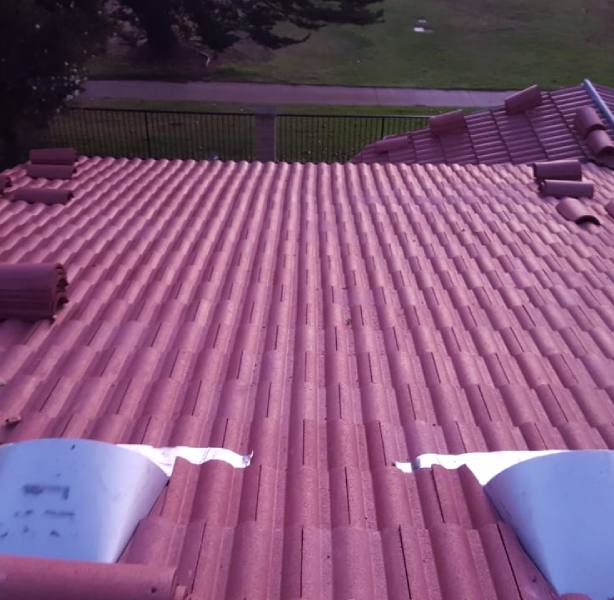
Tile roofs in parts of Renton and Mercer Island handle rain well, but broken tiles from flying debris invite water onto the underlayment. If the underlayment is older felt rather than a modern synthetic underlayment, it will tear easier after it has aged. A tile repair that skips underlayment repair does not solve the leak. A qualified roofer will lift and reset affected tiles and replace damaged underlayment at the trouble area. Metal roofs in Somerset or Issaquah Highlands often perform well in wind, yet exposed-fastener corrugated panels can back out screws over time. After a storm, fastener patterns should be checked and resecured to the correct torque, with gasketed screws that seal at the washer.
Commercial storm damage along the I-405 corridor
Commercial properties near The Landing, East Valley Hwy, or SR 167 have flat or low-slope roofs that collect water on large surfaces. When wind drives rain against parapet walls, weak points show up at base flashings. If scuppers clog with debris in a storm, water rises and presses against edges it never reached before. That is when water finds a small open seam and moves inside. The next day, building managers find stained ceiling tiles. They call roofers to diagnose. A proper response includes clearing drains and scuppers, inspecting seams at low spots, and checking mechanical curbs where rooftop HVAC units vibrate and break seals. If the roof has chronic ponding, a tapered insulation design is the long-term fix. Tapered insulation is sloped foam boards that create pitch to drains and scuppers. It reduces standing water and extends the service life of TPO, EPDM, and torch-down systems.
How material choice affects storm performance
Asphalt composite shingles from well-known brands like GAF, Owens Corning, CertainTeed, and Malarkey come in 3-tab, architectural, and designer lines. Architectural shingles have thicker profiles and better wind resistance than 3-tab. That matters in exposed areas near Lake Washington. For homes with heavy shade, metal roofing has an advantage because moss does not anchor to smooth metal the way it does to porous shingle or cedar. On steep slopes, standing seam metal panels interlock and leave fasteners concealed, which protects against driven rain. Cedar shake roofs look right on many Pacific Northwest homes, but they need maintenance to prevent moss and to keep keyways clear. After a storm, a cedar roof inspection should check for split shakes and displaced ridge units.
Flat roof materials also vary. TPO membranes at 60-mil thickness or higher handle foot traffic and minor scuffs better than thinner sheets. Heat-welded seams stop leaks when welded correctly. EPDM is flexible and handles movement, but adhesive seams and wall flashings need regular checks after storms. Torch-down modified bitumen provides a durable cap sheet, but ultraviolet aging and heat cycles can crack the surface later in life. A cover board under a single-ply membrane improves puncture resistance. Polyiso insulation boards under the membrane provide slope when tapered and energy performance in any case.
Common weak points that show damage first
Storms test the edges and penetrations first. Drip edge metal at the eaves keeps water from running back onto the sheathing. When drip edge is missing or installed under the underlayment rather than over it, driven rain can push under shingles during a storm. Step flashing at sidewalls, which is a series of small metal pieces that lap with each shingle, stops water at the wall. When siding or stucco work has buried or pierced the flashing, water can get behind it in a wind. Pipe boot flashings, the rubber or flexible seals around plumbing vent pipes, crack with age. A hard wind and rain push water right down the pipe when the boot splits. Ridge vents can shift if the cap shingles break. Off-ridge vents and box vents with damaged hoods let water blow inside. Skylight flashing kits must be intact and sized to the model. When cracks appear in the acrylic dome or when a curb seal fails, leaks follow during high wind and rain.
Why the first dry day is not the right time to relax
Storm damage often hides. Water that entered during the event can keep moving for days inside the roof system. Insulation can stay wet and hold moisture against sheathing, which promotes rot. If a homeowner or facility manager waits for a sunny week to call, the repair scope may grow. Addressing the cause early stops secondary damage. In a climate where the next rain cell can arrive over I-90 in hours, that timing matters. A prompt inspection and repair keeps the situation contained.
Repair versus roof replacement after storm damage
Not every storm event requires a roof replacement. Most do not. A practical decision weighs age, extent of damage, and the condition of the roof system below the surface. On an asphalt shingle roof that is within the typical 15 to 25 year Western Washington range and shows isolated wind damage, a repair makes sense. Replace missing or creased shingles, resecure ridge cap, seal or replace pipe boots, clean and adjust gutters, and confirm attic ventilation. On older roofs with widespread granule loss, curling shingles, and aged underlayment that tears easily, a more complete solution may be smart. That can mean a partial replacement on a slope that took the wind, or a full roof replacement.
On commercial roofs, a localized seam repair or curb flashing repair often solves a storm leak. If a flat roof has chronic ponding or many small patches that show past attempts, a recover or replacement can cost less over the next five to ten years than constant service calls. General market ranges for repairs vary widely because buildings vary widely. Small residential repairs can run in the hundreds to low thousands of dollars in many markets. Larger commercial recover projects can reach into the tens of thousands or more due to size, materials, and code requirements. Exact pricing always requires a site visit and a written estimate. A roofing contractor should provide that in writing so owners can compare options on clear terms.
Local patterns across Seattle, the Eastside, and South King County
Storm signatures shift with terrain and exposure. In West Seattle and Magnolia, wind over the bluffs increases uplift at ridges. In Ballard and Queen Anne, tall street trees load gutters and scuppers with debris that clogs drains during storms. In Bellevue neighborhoods like Somerset and Eastgate, roofs see more freeze-thaw cycles than downtown Seattle, which stresses seams and aged caulks. Redmond and Kirkland get lake-influenced gusts that drive rain under loose edge metals. Tukwila, Kent, and Auburn have broad industrial roofs where ponding is the main risk. These patterns guide inspection priorities. A local roofing company that works daily along I-5, I-405, I-90, and SR 520 builds that library of local failure modes, which speeds accurate diagnosis.
Why Signs Your Renton Roof Has Storm Damage belong in the calendar
Property managers and owners who schedule a quick post-storm check minimize surprises. A check after a named wind event or after the first heavy fall rain often catches loose ridge caps, split pipe boots, or early ponding. That small effort prevents larger failures midwinter. Signs Your Renton Roof Has Storm Damage is not just a topic that shows up after a crisis. It is a checklist idea that belongs in fall and spring maintenance for single-family homes, multifamily buildings, and commercial properties across King County.
Technical priorities for a storm response in King County
On a shingle roof, the repair sequence typically focuses on the weather edge first. Replacing missing or creased shingles stops the primary entry points. Replacing cracked pipe boots and re-seating ridge cap solves two of the most common storm-caused leaks. Checking and re-nailing or re-screwing loose sheathing areas from the attic keeps the deck flat under shingles. On a tile roof, replacing broken tiles and repairing underlayment at the breach restores the water plane. On a cedar roof, replacing split shakes and clearing moss reduces wicking and capillary action that pull water uphill under wind load.
On a flat roof, clearing drains and scuppers is step one before any testing. Once water moves, seams and flashings can be inspected and repaired. For TPO, a compatible patch and correct heat-welded seam create a watertight repair. For EPDM, clean surfaces, primer, new tape, and pressure are the right approach. For torch-down, a new cap sheet patch set by torch restores the surface. When chronic ponding exists, a tapered insulation plan and possibly a new cover board below the membrane should be evaluated. Mechanical equipment curbs and edge metal should be checked for fastener tightness and sealant condition, then corrected as needed.
Gutters, downspouts, and the storm link
Gutters and downspouts are part of the roof system. In Renton neighborhoods with tall firs, K-style aluminum gutters collect needles rapidly. Once full, water overflows, runs behind the fascia, and soaks the soffit and the top of the wall. During a storm, that backflow mimics a roof leak. After storms, gutters should be checked and downspouts cleared. Hidden hangers that have pulled loose from fascia should be reset or replaced. On larger roofs, upsizing to 6-inch gutters and 3x4 downspouts can move more water. On commercial roofs, internal drains must have intact strainers and working leaders to the storm system. When they do not, water has nowhere to go and a minor storm becomes a leak event.
Skylights and storms in Renton homes
Skylights are common in homes around Coulon Beach Park and across King County. Their frames must be integrated with the roofing and flashing kits designed for the specific unit. A storm can expose old caulk and brittle seals. Acrylic domes can crack when debris hits. Deck-mounted skylights sit low and rely on a raised curb, flashing kit, and shingles that overlap correctly. When the integration was poor or has aged out, driven rain finds gaps. A roofer should evaluate the skylight brand and model, replace failed seals, and reset or replace the unit if needed. The same inspection applies to sun tunnels, which have flashings that can shift and allow water under the cap.
Attic ventilation and storm behavior
Roofs breathe through intake and exhaust. Intake is at soffit vents and exhaust is at ridge vents, off-ridge vents, or gable vents. During storms, negative pressure across a ridge increases airflow through a ridge vent. That can pull in wind-driven rain if the vent is damaged or if the product is not suited to the roof pitch. Correct vent selection and installation keep weather out while moving air. If a ridge vent has shifted or if off-ridge hoods have broken caps, they must be corrected. Proper ventilation also dries out incidental moisture after a storm. Without ventilation, moisture lingers in insulation and decking, which accelerates decay.
Building codes, permits, and storm work
Storm repairs that replace like for like typically do not need a building permit, but full roof replacement often does, depending on the jurisdiction. In King County cities like Renton, Seattle, Bellevue, Redmond, and Kirkland, specific codes govern how many layers of roofing can remain in place for a recover and the ventilation minima needed per attic square footage. A roofing contractor should confirm local code before starting a roof replacement. On commercial roofs, insulation R-values and edge metal standards also come into play. A permit keeps work aligned with code and creates a record for future property transactions.
What makes a claim-ready inspection different
Insurance carriers look for storm causation and scope. A claim-ready inspection differentiates between storm-created issues and age or maintenance. It includes a roof plan that marks damage locations, clear photos with references, and interior photos that show staining and active drips where present. It explains wind direction if known from a recorded event and ties uplift patterns on the roof to that direction. It references specific components like ridge cap, step flashing, pipe boots, and skylight flashing. It states whether the attic shows fresh wet sheathing or older chronic patterns. This level of detail helps both the owner and the adjuster.
Local, useful data point for owners and managers
King County’s rainfall is high and persistent during the wet season. That matters for roofing systems. Asphalt composite roofs in Western Washington often run at the lower end of the 15 to 25 year lifespan without maintenance because moss and sustained moisture shorten the life of the shingles. Commercial flat roofs in this region need strong drainage design and seam integrity because ponding water and freeze-thaw cycles around the foothills promote seam stress. Owners and managers who plan for these local realities extend roof life and cut emergency calls during storm season.
How a Renton-based team closes the loop after storms
A local roofer who works daily from Renton, up I-405 into Bellevue and Kirkland, across I-90 into Seattle and Mercer Island, and down SR 167 into Kent and Auburn knows how storms behave in each area. That local presence speeds response, but it also improves quality because the company has seen dozens of ridge failures in Kennydale winds, hundreds of clogged scuppers in SODO-style industrial roofs, and many pipe boot failures after cold snaps in Issaquah. That library of examples shapes better repairs and more accurate recommendations. Signs Your Renton Roof Has Storm Damage is not an abstract headline when crews have replaced ridge caps in Talbot after last winter’s wind, or heat-welded TPO patches near the Renton Municipal Airport after a debris strike.
Choosing materials for storm resilience when a replacement is due
When a roof replacement is the right call, material choices can raise storm resilience. On residential roofs, architectural asphalt shingles from brands like GAF, Owens Corning, CertainTeed, and Malarkey outperform 3-tab shingles in wind. Ice and water shield, which is a self-adhered waterproof barrier, should be used at eaves, valleys, and around penetrations. Synthetic underlayment stands up to wet-season exposure better than felt. Proper drip edge, correctly lapped step flashing, and a ridge vent matched to the pitch complete the system. On metal, a standing seam system with concealed clips reduces entry points. On tile, a modern synthetic underlayment and correct flashing at walls and chimneys protect the structure even if a tile cracks later.
On commercial roofs, thicker TPO membranes, such as 60-mil, with heat-welded seams performed by trained installers reduce seam failures. A cover board under the membrane increases puncture resistance. Tapered insulation reduces ponding. For EPDM, attention to perimeter attachment and curb flashings pays for itself in fewer wind-related repairs. Torch-down systems benefit from correct lap preparation and end-lap placement away from channels that collect water. Edge metal that meets current standards stiffens perimeters against uplift. These technical choices reflect lessons learned from local storm patterns and reduce the chance that the next event will cause a leak.
Why the right roofing contractor matters
Storm repairs and replacements are not just about putting on new materials. They require correct diagnosis, correct integration of components, and clear communication with owners and insurers. A roofing contractor who works across Renton, Seattle, Bellevue, Redmond, and Kirkland must be fluent in both residential and commercial systems. That includes asphalt shingles, tile, metal, cedar shake, TPO, EPDM, hot mop built-up, and torch-down modified bitumen. It also includes tie-ins to gutters and downspouts, and to skylights that penetrate the roof. This broad capability keeps the responsibility with one roofer who can solve the whole problem rather than part of it.
What a complete storm service visit includes
A thorough service visit for storm damage includes an attic inspection when accessible, an exterior roof inspection of all slopes or roof sections, a component check for flashings and vents, and a review of drainage, both gutters and interior drains. It includes documentation with photos and notes for an insurance claim when a storm is the cause. It includes a clear repair scope with materials and methods listed. If a replacement is recommended, it includes a written proposal that explains tear-off or recover, underlayment or cover board, ventilation changes, and flashing upgrades. The owner or manager gets a plan that ties the storm event to the solution.
Answers to common questions owners ask after storms
How long can a roof leak wait during the wet season in King County. It should not. Water accelerates damage to sheathing and insulation and can create interior mold when left wet. Will insurance cover wind-lifted shingles. Many policies cover sudden and accidental loss. An adjuster will decide, but a roofer’s documentation that shows creased shingles and uplift consistent with a recorded wind event helps. Can a commercial flat roof get a spot repair during rain. Some repairs can be made under temporary cover, but permanent patches and welding need dry surfaces. A roofer can install a temporary water stop and return for a permanent fix. Is a full roof replacement always required after storm damage. No. Many issues are repairable. Replacement should be recommended when age or widespread damage make repair a short-lived patch.
The role of ongoing maintenance between storms
Maintenance is not optional in a region with high rainfall and moss pressure. Cleaning gutters and downspouts, checking pipe boots, keeping skylight wells clear, and removing moss on shingle and cedar surfaces prevent minor issues from becoming storm leaks. On commercial roofs, clearing drains and scuppers and walking seams near equipment after wind events prevent emergencies. A maintenance visit twice a year, often after fall leaf drop and in spring, fits the local weather pattern. That cadence catches small problems before the long wet stretch and before the summer sun ages materials further.
Why Signs Your Renton Roof Has Storm Damage should trigger a professional visit
There is a difference between a quick look with binoculars and a professional inspection. Storm damage creates hidden paths for water, and a roof system is a set of interlocked parts that must work together. A licensed and insured roofing contractor with Pacific Northwest experience has the tools and judgment to confirm the cause and provide a durable fix. Signs Your Renton Roof Has Storm Damage should move an owner to schedule that inspection, because the cost of waiting grows with every day of rain.
Service coverage from a Renton base
Renton sits at the center of King County roads. Crews can reach Downtown Seattle via I-5 and I-90, the Eastside via I-405 and SR 520, and South King County via SR 167. That matters when storms roll through and many properties need help at once. From Capitol Hill, Ballard, Magnolia, Queen Anne, and West Seattle to Bellevue, Redmond, Kirkland, Issaquah, and Sammamish, a Renton-based roofing contractor can schedule inspections and repairs across the region quickly. In Renton, properties near the Boeing Renton Factory, The Landing, and Coulon Beach Park share similar exposure risks and benefit from a local team that knows the microclimates.
Why owners call Atlas Roofing for storm and wind work
Atlas Roofing operates from 707 S Grady Way Suite 600-8 in Renton, and serves Seattle, the Eastside, and the broader King County region. The company handles residential and commercial roofing, including shingle, tile, metal, cedar shake, TPO, EPDM, hot mop built-up, and torch-down systems. The team documents storm damage for insurance claims, repairs leaks, and completes roof replacement when needed. Atlas is a Washington State licensed contractor, license #ATLASRS758K1, and is fully insured.
Atlas provides a free estimate with a written proposal, offers flexible financing, and backs work with material and workmanship warranties. For owners and managers who see Signs Your Renton Roof Has Storm Damage, a call puts a storm-trained inspector on the roof to confirm the cause. Signs Your Renton Roof Has Storm Damage is a cue to act, not to wait for the next cell to arrive over Lake Washington. Schedule service for properties in , Seattle, Bellevue, Redmond, and Kirkland. Call Atlas Roofing at (425) 728-6634 or email [email protected] to book an inspection and a repair plan for storm damage. A licensed roofing contractor who knows King County will diagnose, document for a claim when appropriate, and deliver the right repair or roof replacement for the building.
Owners who search for do so because the roof is showing symptoms. Atlas Roofing responds with a focused inspection, a clear scope, and the correct materials for the system. Whether the property is a Renton home with lifted ridge cap, a Seattle townhouse with a torch-down cap patch needed, or a Bellevue office with a TPO seam issue at a drain, Signs Your Renton Roof Has Storm Damage is the starting point and the reason to call a roofing contractor who works across King County every day. Contact Atlas Roofing at (425) 728-6634 now, and include any photos or notes collected during the storm. The team will take it from there with a written proposal and a path to dry, secure roofing.
Search phrases like help the right roofer find the right problem. Use that phrase in requests, and include the property’s area, such as Renton Highlands, Kennydale, Talbot, Capitol Hill, Ballard, Queen Anne, West Seattle, Downtown Bellevue, Redmond Overlake, or Kirkland Juanita. Atlas Roofing reads those local signals, brings the needed materials, and gets a roof back to work quickly. For any property that shows Signs Your Renton Roof Has Storm Damage, schedule the visit and stop the water before it spreads.
Owners who file insurance claims can reference in communication with adjusters and ask for an inspection that documents storm causation. Atlas Roofing supports that process and then executes the scope once the claim is set. When the scope points to roof replacement, Atlas details tear-off versus recover, underlayment or cover board, ridge vent or off-ridge vent, and the specific flashing upgrades that fit the building. These are the decisions that protect a property through future storms.
In a county defined by water and wind, roofs need local judgment. Signs Your Renton Roof Has Storm Damage shows up as missing shingles, stained ceilings, ponding water, failed flashing, and moss that grew too long. Atlas Roofing responds as a full-service roofing contractor with the experience to diagnose and repair across systems. For properties in and nearby cities, call (425) 728-6634 to set the inspection and stop the leak. Mention when scheduling, and a storm-focused roofer will arrive ready to solve the problem.