The Real Cost of Delaying a Seattle Roof Replacement
The Real Cost of Delaying a Seattle Roof Replacement
Roof systems in Seattle take relentless rain, wind, and debris. When a roof is near the end of its life, every wet week adds risk. The real cost of delaying a Seattle roof replacement shows up first as stains and musty smells. It then escalates into soaked insulation, rotten decking, and interior repairs that dwarf what a timely project would have cost. Property owners searching for roof replacement Seattle WA are usually living with these pressures already. Waiting rarely improves the picture in the Pacific Northwest.
Local housing stock varies across craftsman homes in Ballard, mid-century homes in West Seattle, and newer builds on the Eastside. Roof shapes, slopes, and materials vary too. The Pacific Northwest climate does not. Water tests every penetration and every seam across a long wet season. Moss grows on shaded, porous surfaces. An asphalt composite roof in Western Washington often hits the shorter end of a 15 to 25 year lifespan when it never receives maintenance or when ventilation is poor. This is why deferring roof replacement Seattle WA tends to compound costs rather than save money.
Why Seattle’s Wet Season Turns Delay Into Damage
Seattle and King County see sustained rainfall through fall, winter, and spring. Roofs must move water, resist wind uplift, and shed debris from Douglas firs and cedars. When shingles lose granules, the asphalt mat underneath becomes exposed. The mat absorbs water and ages fast. When cedar shake splits or lifts, wind-driven rain reaches the felt interlay and then the wood deck. When tile cracks, a small gap invites water onto the underlayment. These details decide whether a roof still protects. A delay that runs across another wet season often tips a marginal system into active leaks.
Drainage load is a local fact. Roofs in Capitol Hill or Queen Anne that sit under tree cover need gutters that stay clear and valleys that do not trap needles. On steeper slopes, water moves faster and can find a loose piece of step flashing at a sidewall. On lower slopes, it lingers and exploits even a pinhole in aged underlayment. Roof replacement Seattle WA matters before the rainy months because underlayment, flashing, and shingles each depend on the others to keep water out. One weak link turns into three once the rain sets in.
How Small Issues Grow Into Structural Repairs
A missing ridge cap or a section of lifted shingles looks minor on a dry day. Under rain, that small entry point sends moisture down the nail path into the plywood or OSB deck. Wood swells, then softens, and fastener grip weakens. This is why soft spots appear underfoot during an inspection. If water reaches the attic insulation, the R-value drops. The home loses heat fast. Moist insulation stays damp and feeds mold on the back of the sheetrock. Ceiling paint blisters, then peels. A roof leak in Fremont or Ravenna that looks like a narrow stain on the ceiling often hides a wide area of wet decking.
Flashing is another failure point that punishes delay. Chimney counter flashing, step flashing at sidewalls, and pipe boot flashing age with UV and movement. A cracked rubber boot around a plumbing vent can let in cups of water during a single storm. Skylight seals age too. A cracked skylight seal lets water wick under shingles and then sideways onto the roof deck. Over months, this rots a larger area than the small visible gap suggests. Every season of delay increases the repair scope that a roofing contractor must include in a roof replacement Seattle WA proposal.
The Hidden Budget Drains of Waiting
It is common to think that waiting a year might stretch the last value out of an old roof. In Western Washington, delay often does the opposite. Money goes to emergency patching and interior https://westusa2.blob.core.windows.net/home-fix-hub/storm-damage-roof-repair-in-king-county-top-5-2026.html fixes that never address the core issue. Real costs stack up beyond the roof itself.
- Interior repairs: drywall, paint, trim, and sometimes flooring near an exterior wall after leaks track inside
- Insulation replacement: wet fiberglass or cellulose must be removed and replaced to recover energy performance
- Decking replacement: rotten or delaminated sheathing increases material and labor during the eventual tear-off
- Emergency calls and tarps: urgent response carries premiums and buys time only until the next storm
- Insurance friction: policies can deny or limit coverage for long-term neglect when a loss stems from deferred maintenance
There are also timing costs. Roofers across Seattle, Bellevue, and Redmond book up fast after the first heavy fall storms. A roof replacement Seattle WA that could have been scheduled with flexibility in late summer becomes a scramble under winter weather windows. That can extend project duration and disrupt daily life more than a planned project would have.
Material-Specific Risks Across the Seattle Area
Asphalt composite shingles remain the most common roofing across Seattle and the Eastside. Architectural asphalt shingles use a heavier base mat and layered tabs. They resist wind and hide minor deck imperfections better than 3-tab shingles. In this climate, loss of surface granules and curling tabs are useful field signs. Once the black asphalt shows through, UV and water accelerate aging. Delaying roof replacement Seattle WA at that point moves damage into the underlayment and the deck quickly.
Cedar shake roofs have a long history in the region. Hand-split shakes have a rough face. Tapersawn shakes have a smoother, more shingle-like profile. Cedar is porous. It can split, cup, and grow moss on shaded slopes. The interlay felt between shake courses is part of the water control. When shakes open wide gaps, that felt becomes exposed and fails. Replace at the shake stage, and the deck usually survives. Wait, and the scope can expand to rafters near eaves where ice and water sit longer. Moss removal helps extend life, but it does not reverse split or rot once it sets in.
Tile roofs, both clay and concrete, handle water well when intact and when flashed correctly at penetrations and transitions. The underlayment under tile is the true water barrier. In older tile roofs around Magnolia or Madison Park, the original felt underlayment can age out while many tiles still look serviceable. A leak under tile does not always show right away because water can migrate under the system. A delayed replacement under tile can mean both new underlayment and a larger batch of broken tiles to match during reassembly.
Metal roofs, especially standing seam, shed rain and snow fast and leave moss with little to grip. The weak points are penetrations and unsealed cut edges. On a tired metal roof with old sealant at ribs and pipe boots, water can ride capillary paths under pressure. If a metal roof has performed well but has localized failure points, a timely repair with new flashing and sealant can reset the clock. If the finish is chalked off and fasteners are at end of life, a metal roof replacement should be scheduled rather than stretched through another winter. Property owners weighing roof replacement Seattle WA on metal receive the best long-term value before corrosion and wet substrate drive up scope.
Low-slope sections on homes, such as porch roofs or additions, use different systems. Modified bitumen cap sheets and single-ply membranes like TPO or EPDM rely on seam integrity and clear drainage. Ponding water on a low-slope section in Wallingford or Greenwood breaks down the surface and finds a weak seam. Heat-welded thermoplastic seams on TPO resist freeze-thaw cycles better than many adhesives. If the field shows surface cracking or the seams lift at edges, delay is unwise. Water does not need much slope to travel far under a low-slope system.
Neighborhood Realities From Ballard to Bellevue
Local conditions shape how a roofing company reads a roof. Ballard and Magnolia roofs feel winter wind across the Ship Canal and Puget Sound. That wind lifts ridge caps and the leading tabs of shingles. Capitol Hill and Madison Park homes under tree canopy hold moss and needles that slow drainage and block gutters. Queen Anne slopes face short, intense showers that test valley metal and step flashing on tight gables. West Seattle often sees strong southerlies that probe for any loose shingle edge.
Eastside communities like Bellevue, Kirkland, and Redmond have dense tree cover. Needles and leaves load gutters fast in the fall. Downspouts must be sized to move high volumes. A 3x4 downspout clears debris better than a smaller 2x3. Homes near Lake Sammamish and Cougar Mountain pick up more freeze-thaw stress at higher elevations. That stress opens seams and cracks old sealant. Along I-90, winter systems move through in a pattern that drives rain sideways. It finds the one piece of step flashing left in place since the last paint job. Property owners who plan a roof replacement Seattle WA before these patterns repeat cut off many of the most common leak paths.
This is also a transportation story. Crews coming from a Renton base can move along I-405 to reach Bellevue and Kirkland or use I-5, SR 167, and SR 520 to cover Seattle and the Eastside. That matters when weather windows are short. A planned roof replacement schedule beats a reactive plan in any season, but it matters most when storms pass quickly and work must start and stop with the radar.
Timing the Project Window For Roof Replacement Seattle WA
There is no perfect month that guarantees dry skies in King County. Summer and early fall offer more consistent dry days. Winter projects are common and done safely when crews use proper protection and the right installation sequence. The earlier a property owner sets a clear plan for roof replacement Seattle WA, the better the chances of landing preferred dates and bundling related work. That includes skylight replacements and gutter upgrades that tie into the roof system.
Watch for timing signals rather than a calendar date. Missing shingles, lifted ridge caps, or widespread granule loss call for a plan. Ceiling stains that grow after every storm are a firm indicator. A roofing contractor should confirm the source with an attic inspection and an exterior review of flashing, underlayment condition where exposed, and fastener pull-through on suspect slopes. If the roof is near end of life and these signs multiply, waiting into another wet season often takes the project from a straightforward roof replacement into structural repair territory.
Upgrades That Matter in Western Washington
Replacement is a chance to correct earlier weaknesses. Some upgrades pay off in Seattle’s climate because they address water entry and ventilation.
Ice and water shield is a self-adhered membrane that seals around nails. It belongs at eaves, valleys, and around roof penetrations. Eaves see ice dams in higher elevations and splashback in wind. Valleys collect the most water and focus it. Skylights, chimneys, and pipe penetrations need an added buffer. Synthetic underlayment offers higher tear strength than felt. On steep slopes in wind zones, that matters during and after installation.
Drip edge metal at eaves and rakes keeps water off the fascia and prevents wind from driving rain under the starter course. Proper starter shingle use at the eave locks the first course and resists uplift. Step flashing at sidewalls must be replaced, not reused. Reuse hides corrosion and old nail holes. Counter flashing at chimneys should be cut into the mortar joint and not just surface-sealed. Pipe boot flashing should be new and matched to the pipe size, then sealed correctly to the shingle courses.
Roof ventilation matters because trapped attic heat cooks shingles from below and builds winter condensation. A balanced system uses soffit vents for intake and a ridge vent for exhaust. Off-ridge vents can support systems when a continuous ridge is not present. A well-vented attic keeps sheathing dry and helps shingles hit the top end of their expected life in Western Washington. During a roof replacement Seattle WA, the contractor should confirm open soffit pathways and a clear ridge line to support a continuous vent.
Gutter and downspout capacity must fit local rainfall. K-style aluminum seamless gutters in 5-inch often work, but many larger roof areas or heavy tree zones benefit from 6-inch gutters and 3x4 downspouts. Hidden hangers secure better than spikes, especially under wet load. Integrate gutter work with the new roof so drip edge and gutter alignment match from day one.
Skylights, Attic Insulation, and Component Bundling
Skylights deserve attention during replacement. Deck-mounted units often outlast shingles by fewer years than homeowners expect. Flashing kits are designed to pair with the roofing course count. Replacing a tired skylight as part of the roof project avoids disturbing new shingles later. Attic insulation is worth checking once the roof deck is open. If crews find wet insulation during tear-off, replacing it as part of the same project restores energy performance. Bundling these tasks with roof replacement Seattle WA reduces repeat mobilization and ensures the roof system works as a whole.
Tear-Off Versus Recover in King County
Many King County homes have a single layer of shingles. Some older homes carry a second recover layer from past work. Local code and structural load set the rules. A full tear-off gives the best result because the deck can be inspected, rotten sections replaced, and underlayment installed on a clean surface. Installing a recover over old shingles hides deck problems and adds weight. It also tends to shorten the life of the new shingles due to trapped heat and uneven support. If a house already has two layers, a tear-off is required. A property owner considering roof replacement Seattle WA should ask for a clear recommendation, with the deck repair allowance stated so the scope is not a surprise.
What a Thorough Roofing Evaluation Looks For
A strong roofing company approaches evaluation with the same discipline regardless of roof type. In the attic, the inspector looks for darkened or stained sheathing, rusty nail tips that indicate condensation, wet or matted insulation, and daylight at penetrations. On the roof, they check shingle pliability and adhesion, ridge cap condition, granule loss patterns, and soft spots that suggest delamination. At flashing points, they look for step flashing integrity, counter flashing at chimneys set into mortar joints, and sound pipe boots. They also check the condition of skylight frames and seals, and look at gutter attachment, slope, and downspout clearances. For low-slope sections, they probe seams, look for surface checking or alligatoring, and note any ponding zones.
The result should be a clear recommendation. If the roof has years left, a maintenance plan with moss removal and targeted repairs can stabilize it. If the roof is at end of life, a roof replacement Seattle WA plan should describe materials, underlayment locations, ventilation upgrades, flashing strategy, and any deck repair allowances. That plan should be timed to the season and include a basic weather approach for rainy days.
General Market Cost Context in Seattle
Every property is unique. Roof size, slope, access, materials, number of penetrations, and deck condition all affect cost. In the Seattle market, a full asphalt composite roof replacement on a typical single-family home often lands in the five-figure range. Premium designer shingles, tile, cedar shake, or metal increase that range. Complex roofs with multiple valleys, dormers, and skylights add labor and flashing work. Low-slope sections that need a single-ply membrane or modified bitumen add a separate system to the scope. Exact pricing needs an on-site evaluation and a written estimate that captures the discovered conditions.
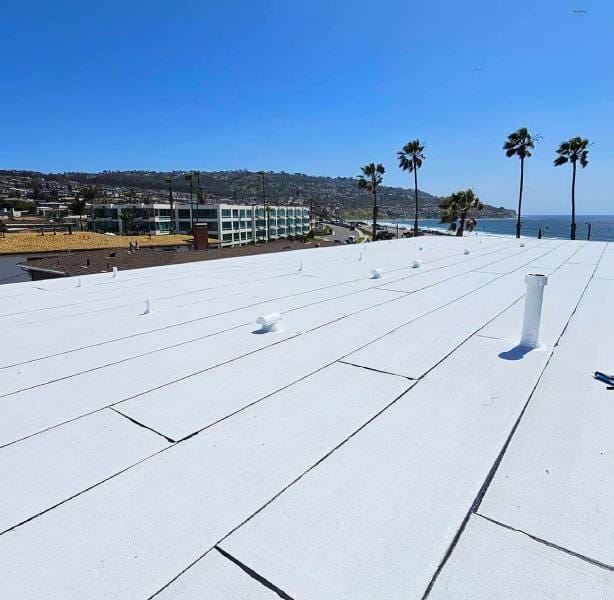
The key financial note is that delaying into the next wet season tends to increase the project scope. Interior repairs, decking replacement, and emergency patches enter the picture. Many owners who plan a roof replacement Seattle WA before repeat leaks find that the final number is lower than the combination of a late-season scramble and follow-on interior work.
Why Property Managers and HOAs Should Not Wait
Multi-building properties in Seattle, Bellevue, and Kirkland face amplified risk. One leak can affect two units when a shared wall or common attic carries water sideways. Ponding on a flat section over a breezeway can send water down columns and into electrical rooms. Insurance carriers look closely at maintenance records for associations. A clear record of inspections, repairs, and timely roof replacement Seattle WA keeps risk and premiums in line. Staggered replacement schedules also help avoid a single budget shock and allow better coordination with tenants or owners. Coordinating skylight upgrades, attic ventilation corrections, and gutter capacity improvements across buildings reduces call volume during winter storms.
Local Materials That Perform Here
Asphalt shingles from brands such as GAF, Owens Corning, Malarkey, and CertainTeed are common choices in King County. Each brand offers architectural profiles that perform well in wind and shed water fast. On low-slope transitions or porch roofs, TPO and EPDM membranes from makers like Carlisle, Firestone, GAF, and Johns Manville are standard solutions. TPO uses a heat-welded seam that holds up to freeze-thaw stress seen at higher elevations in Issaquah and Sammamish. A polyiso insulation board with a durable cover board helps create a stable substrate under single-ply membranes. For steep-slope metal, 24-gauge standing seam offers stronger resistance to oil-canning and wind than lighter 26-gauge panels. Every choice should answer the Seattle climate first, then the architectural style.
Signs It Is Time For Roof Replacement Seattle WA
There is no need to wait for a ceiling to stain. A roof sends earlier signals. Widespread granule loss that exposes black asphalt. Shingles that curl, crack, or break when lifted gently for inspection. Moss that has rooted deep into the shingle edges on shaded north slopes. Step flashing that has paint bridging to siding, a hint that prior work may have sealed rather than replaced flashing. Loose ridge caps after wind events. Skylight condensation or visible cracks in the glazing seal. On low-slope areas, blisters or seam lifting at the membrane edge. These are all triggers to schedule a review and plan a roof replacement Seattle WA before water migrates into insulation and the living space.
Serving Seattle and King County With Local Access
Residential blocks near Pike Place Market or the Space Needle may have tight access, limited parking, and a daily tourist rhythm. Homes in Greenwood or Columbia City sit under tall evergreens that load gutters. Eastside cul-de-sacs in Somerset, Factoria, and Juanita bring HOA rules and coordination needs. Properties along Lake Washington from Madison Park to Kennydale take wind across the water and splashback at eaves. I-5, I-405, and I-90 connect these neighborhoods in minutes when the schedule is planned correctly. Planning matters because the roof must be staged, torn off, dried in, and finished with the right weather breaks. A property owner who books roof replacement Seattle WA with some lead time avoids working against those logistics.
What Waiting Feels Like After the Next Storm
Many owners call after a storm breaks through a known weak spot. The call often follows a night under a tarp or a morning spent moving buckets. The cost starts with emergency patching and grows with every hour of water inside the assembly. By the time an estimator arrives, the scope has grown from shingles and flashing to sheathing and drywall. That cycle is avoidable when the project is planned ahead of the next big system. The wet season will test every weak spot. A timely roof replacement Seattle WA removes those weak spots and stabilizes the home for the long rainy months.
Why This Matters For Resale and Appraisals
Seattle buyers move fast in tight inventory markets. Inspectors look closely at roofs. Appraisers note roof age, visible wear, and any signs of leaks. A roof that shows end-of-life indicators attracts repair credits or price reductions. A roof near the start of its cycle supports stronger valuations. A documented recent roof replacement Seattle WA can speed underwriting and avoid escrow delays tied to required repairs. For investors and real estate professionals, the decision to replace before listing typically streamlines the transaction process when the roof is already a known issue.
A Practical Way to Decide
The decision often comes down to risk. If the roof is past its expected life in Western Washington, shows multiple active failure points, and has interior effects, the risk of waiting is high. If the roof is within life and repairable, a focused repair and maintenance plan can hold the line. Either way, ask for a written proposal that details materials, underlayment zones, flashing replacement, ventilation, any deck allowance, and the weather approach. For owners set on roof replacement Seattle WA, schedule early and bundle related work so the system performs as a whole once the rain returns.
Why Seattle Property Owners Choose a Local Roofing Contractor
A local roofing contractor knows where water moves in February, which gutters clog first under cedar needles in Kirkland, and how wind hits a West Seattle ridge cap. That judgment shows up in the details of each proposal and in the sequence of work on site. It also shows up roofing contractor Renton in the recommendation to replace now rather than patch, or to repair once more because the rest of the system still has life. For anyone evaluating roof replacement Seattle WA, that local read on the roof and the climate matters as much as the shingle brand.
Why Atlas Roofing Is the Call When Delay Is No Longer an Option
Atlas Roofing is a Renton-based roofing company serving Seattle, Bellevue, Redmond, Kirkland, and the broader King County region from 707 S Grady Way Suite 600-8. The team handles residential and commercial work, including asphalt composite shingle, cedar shake, metal, tile, and low-slope systems such as TPO and EPDM. Atlas Roofing is a Washington State licensed contractor, license #ATLASRS758K1, and is fully insured. The company offers a free estimate with a written proposal, flexible financing options, a material and workmanship warranty, and insurance claim documentation support when wind or storm damage is involved. Property owners who are ready for roof replacement Seattle WA can call (425) 728-6634 or email [email protected] to schedule a free on-site evaluation. Booking now helps secure project dates that fit the season and stops the cycle of patching, leaks, and interior damage before the next round of heavy rain along I-5, I-405, and I-90.